
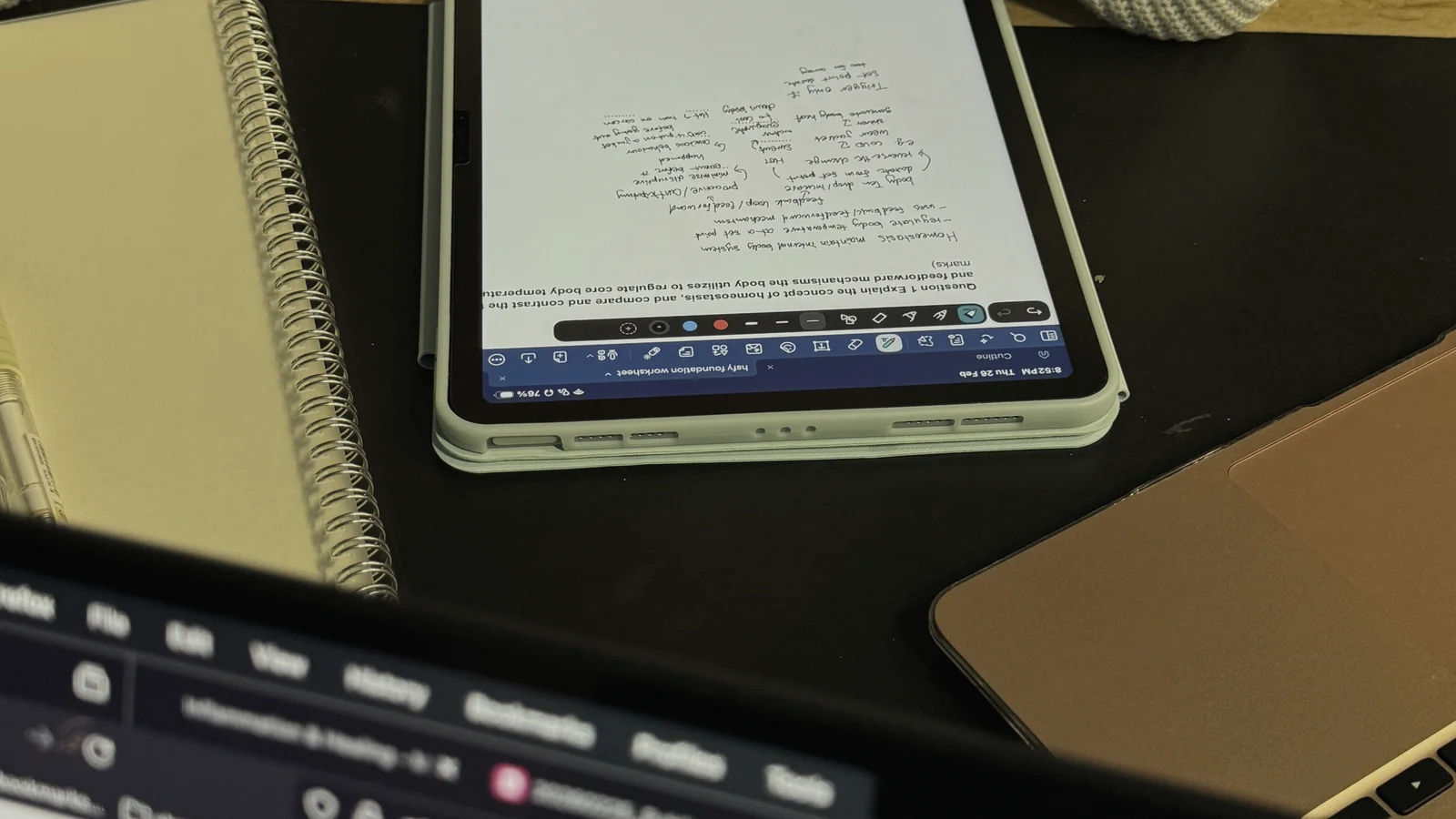
A passing MAOR102 answer defines the concept. A strong one applies it to the context in the question and connects it to other ideas, so if yours reads like a glossary entry you're leaving most of the marks behind.
Why definitions are not enough
MAOR102 is conversational and concept-based rather than calculation-heavy, and it is assessed half internally and half by a final exam. That structure rewards demonstrated understanding, which is different from demonstrated recall.
Anyone can memorise a definition. The question is whether you can use the concept to explain something: why an event unfolded as it did, how a historical process shaped a contemporary situation, what a Māori worldview brings to a question that another framing would miss.
The shape of a strong answer
- State the concept briefly. One or two sentences. Enough to show you know it, not a paragraph.
- Apply it to the specific context asked about. This is where most of the marks are, and where most answers go thin.
- Connect it to something else. Another concept, a historical development, a contemporary consequence. Joined-up thinking is what distinguishes the top answers.
- Answer the actual question. It sounds obvious, but a large share of lost marks are answers that discuss the topic without addressing what was asked.
How to study for that
Rereading won't get you there, because reading a chapter on colonisation makes the words familiar without teaching you to use them. Try this instead:
- Explain each concept from blank, in your own words. If you cannot, you recognise it rather than understand it.
- Practise applying it. Take a concept and use it to interpret an event or contemporary issue you have not discussed in class.
- Map the connections. For each key idea, write how it links to two others. The links are what essays are built out of.
- Revisit earlier topics while covering new ones, since the ideas build on each other and the exam expects you to hold the whole picture.
Take it seriously
MAOR102 is a popular eighth paper because it is manageable, which is fine as a reason to take it. But manageable is not the same as free. Your eighth paper counts toward the GPA that decides your professional programme application whenever it is one of your best seven, and treating it as an afterthought is an expensive habit at the margins that decide things.
It also deserves engagement on its own terms. If you are heading into health in Aotearoa, understanding Māori society, the impacts of colonisation, and a Māori worldview is directly relevant to how you will practise.
You can work through MAOR102 practice questions free on Cutline, and there is a comparison of the common eighth papers in which 8th paper should you take.