Cardiovascular: Heart Valves

show answer
correct answer: B
worked solution
Human Body Systems 2
cutline’s hubs192 bank is rolling out lecture by lecture, including real labelled diagram questions with worked answers. it follows the otago course across the cardiovascular, respiratory, gastrointestinal, renal and reproductive systems, and you can start free without a card.
Published MCQs: 1773. Worksheets and mock exams: 26.

A public sample. Your selection stays on this page and is not saved to an account.
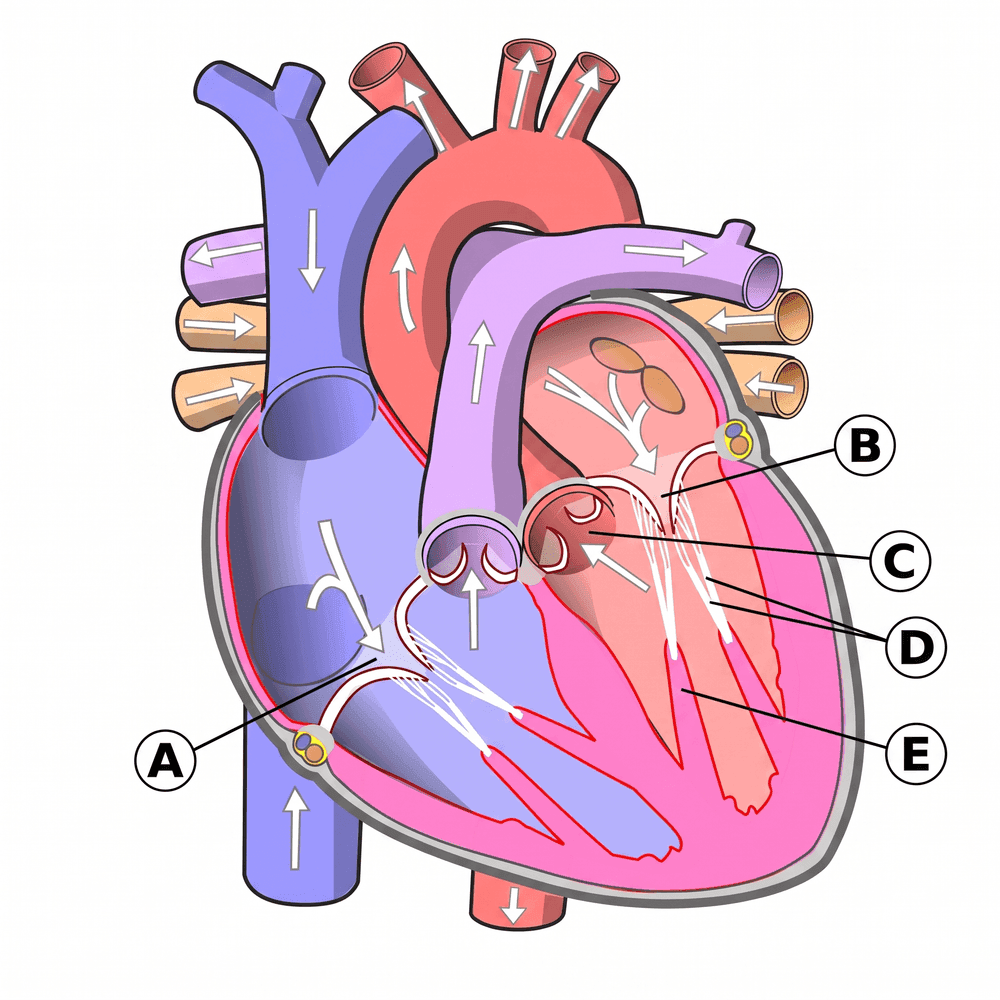
Cardiovascular: Heart Valves

correct answer: B
worked solution
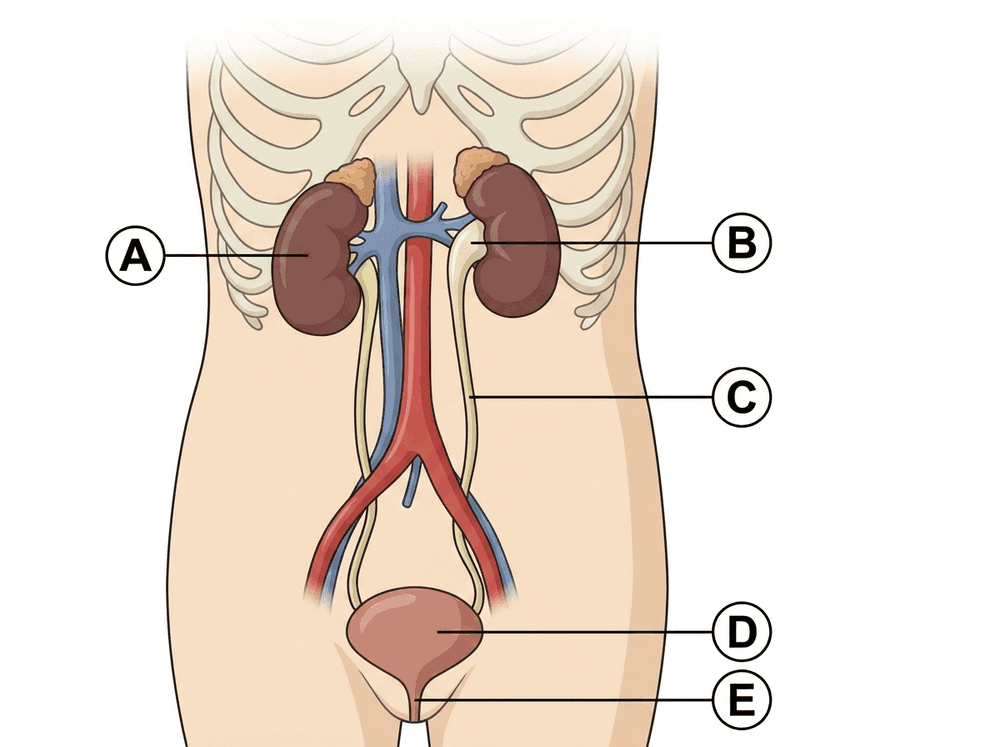
Renal: Urinary Tract

correct answer: A
worked solution
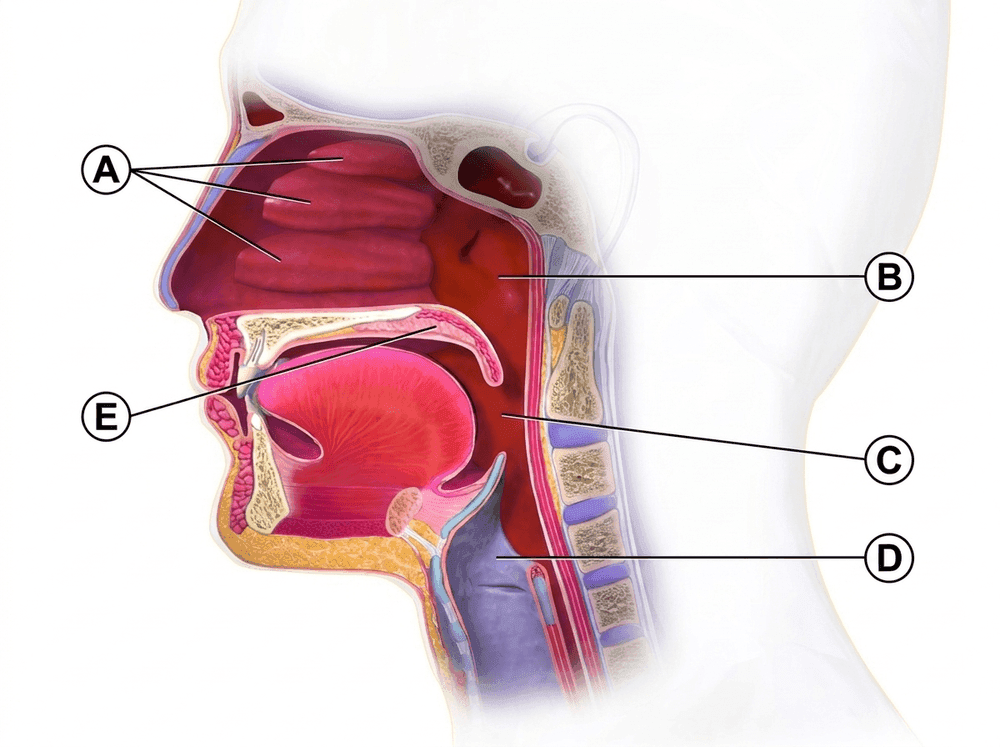
Respiratory: Upper Airway

correct answer: C
worked solution
Teaching practice and mock exams currently listed for this paper.
Active products only. Published worksheets in visible groups, with unrestricted multiple-choice questions. Retired questions, module tests and written questions are excluded. This does not measure whole-course coverage or concept articles.
This catalogue is cached. The app rechecks access before you start.
These are paper topics, not a list of published worksheets.
hubs192 carries on from hubs191 into the cardiovascular, respiratory, renal and other systems, and it works the same way, it is about knowledge gaps. the students who feel calm walking into the exam are the ones who practised enough to know where their weak spots were and fixed them early. a lot of these questions are diagram based, so getting reps on the real figures matters.
these are established findings, not fringe claims, and recent reviews keep confirming them (Carpenter et al., 2022; Weinstein et al., 2018). the emphasis here is on the higher-order skill of applying and transferring ideas to unseen questions, which is what separates the top HSFY grades and the study habits medicine selects for.
hubs192 carries on from hubs191 into the cardiovascular, respiratory, renal and other systems, and it works the same way: the marks are in knowledge gaps and mechanisms, and a lot of the content is diagram-based. the methods below are matched to that visual, mechanism-heavy content.
hubs192 is heavily diagram-based, and multimedia-learning research is clear that pairing an image with its explanation, using the visual and verbal channels together, produces better understanding than text alone (Mayer, 2009). the important qualifier is that the benefit comes from you generating the pairing, not from staring at a finished figure.
work the diagram questions first, and for each one, label the structure and then say what it does. image-occlusion style practice, where you hide a label and recall it, is ideal for the cardiovascular, respiratory and renal systems, because it forces both the naming and the function that hubs192 questions reward together. (Mayer, 2009)
try it: work the diagram questions first: label the structure, then say what it does, so the image and function lock together.
the sheer volume of hubs192 detail makes rereading feel necessary, but self-testing is what actually builds durable recall, and it does so consistently across real classroom studies (Agarwal et al., 2021). the familiarity you get from rereading is a poor predictor of what you can produce in the exam.
the fix is to convert each system into a self-test: cover its summary and reconstruct the structure and function from blank, then use the gaps to steer your next session. this keeps you working on the parts you genuinely do not know, rather than re-experiencing the parts you already do. (Agarwal et al., 2021)
try it: cover a system’s summary and reconstruct it from blank, using the gaps to steer your next session.
as in hubs191, the higher marks sit in mechanisms rather than isolated facts, and reconstructing a mechanism from memory is a stronger form of learning than restudying it (Karpicke & Blunt, 2011).
take a hubs192 process, gas exchange, glomerular filtration, the cardiac cycle, and explain it step by step, then predict the effect of one thing going wrong, because that is how the exam escalates a basic recall question into an applied one. if you can explain why filtration changes when a pressure changes, you understand the system rather than having memorised its parts. (Karpicke & Blunt, 2011)
try it: explain a full pathway step by step and predict the effect of one thing going wrong, the way the exam frames it.
the hubs192 marks that lift a grade come from applying how a system works to a change you have not seen, predicting the effect on filtration when a pressure shifts, not from naming parts. varied retrieval practice builds that transfer to novel situations (Pan & Rickard, 2018; Carpenter et al., 2022), and it is the self-testing habit that predicts later medical-exam performance for future med students (Deng et al., 2015).
practise the what-if version of each system: given a change to one variable, reason out the downstream consequences across the cardiovascular, respiratory or renal system. that applied reasoning is what the harder, scenario-based questions reward, and it is the skill clinical study keeps asking of you. (Pan & Rickard, 2018; Carpenter et al., 2022; Deng et al., 2015)
try it: pick a system and predict the downstream effects of changing one variable, reasoning through the whole chain.
the spacing effect is why flashcards work: revisiting a fact just as you are about to forget it locks it in far better than cramming (Cepeda et al., 2006). anki is the tool most health-science students reach for, and it is genuinely good. the diagram-heavy systems suit image-occlusion cards, structure on one side, function on the other, spaced over weeks. cutline pairs anki-style flashcards for the raw facts with a qbank of exam-style hubs192 questions, so you can drill what needs memorising and then practise applying it.
yes, sample questions include real labelled diagrams from the body systems covered in lectures.
yes, hubs192 is the second-semester body systems paper covering a different set of systems.
the study methods above come from established research in cognitive and educational psychology.
Cutline operates independently and is not affiliated with, employed by, or endorsed by the University of Otago.