跳到正文
cutline
EN中文
人体系统 2, 第二学期

HUBS192 练习题

Cutline 的 HUBS192 题库正在按讲次逐节上线,其中包括配有完整解析的真实标注图示题。它跟着 Otago 的课程走,覆盖心血管、呼吸、消化、肾脏与生殖系统,你可以免费开始,无需绑卡。

3,911道已发布选择题
63份练习与模拟试卷

按目录所列,查询于 2026年10月29日。

试做几道真实的题

题目、选项和解析保留英文原文,因为考试本身就是用英文考的。

这是公开样题。你的选择仅保留在当前页面,不会保存到账户。

  • Cardiovascular: Heart Valves第 1 道样题,共 3 道
    The atrioventricular valves are labelled A and B. Which statement about them is correct?
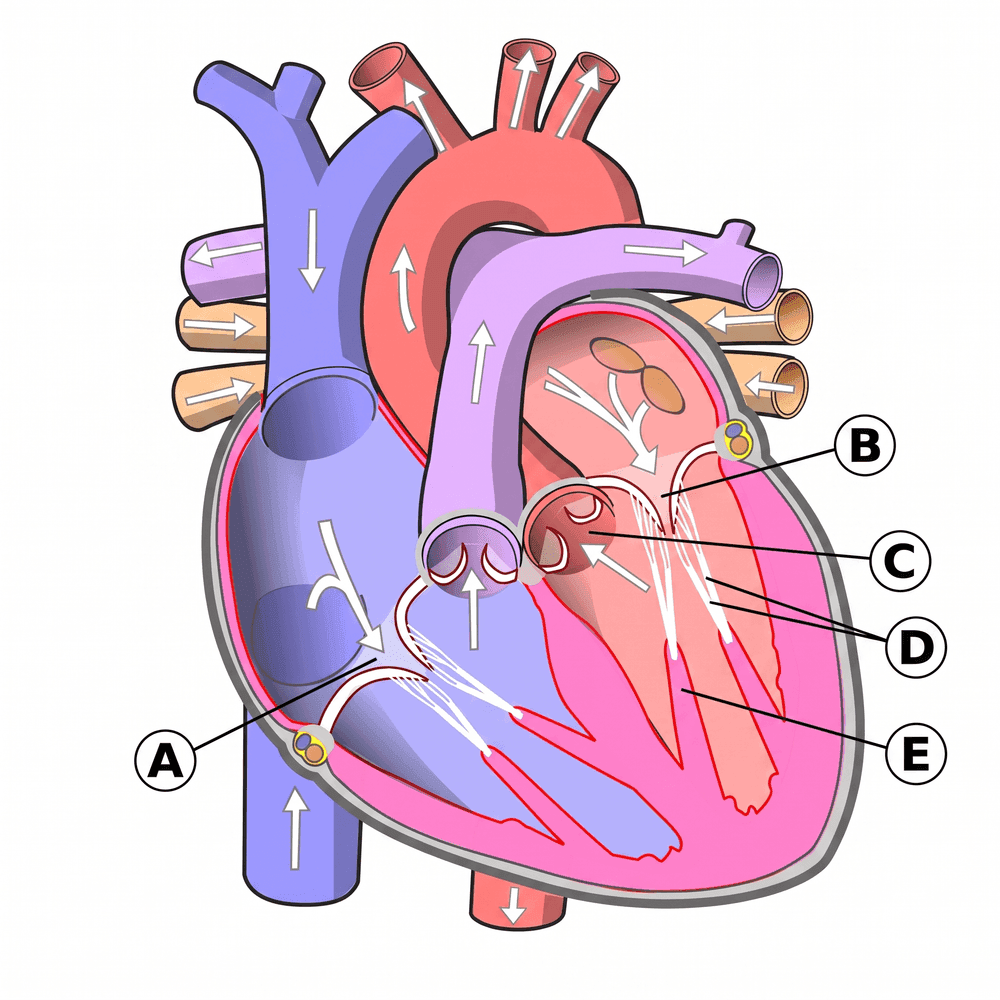
    Frontal section of the heart with labelled atrioventricular valves
    答案选项
    查看答案

    正确答案:B

    完整解析

    Correct. The AV valves close during ventricular systole, preventing backflow into the atria.
  • Renal: Urinary Tract第 2 道样题,共 3 道
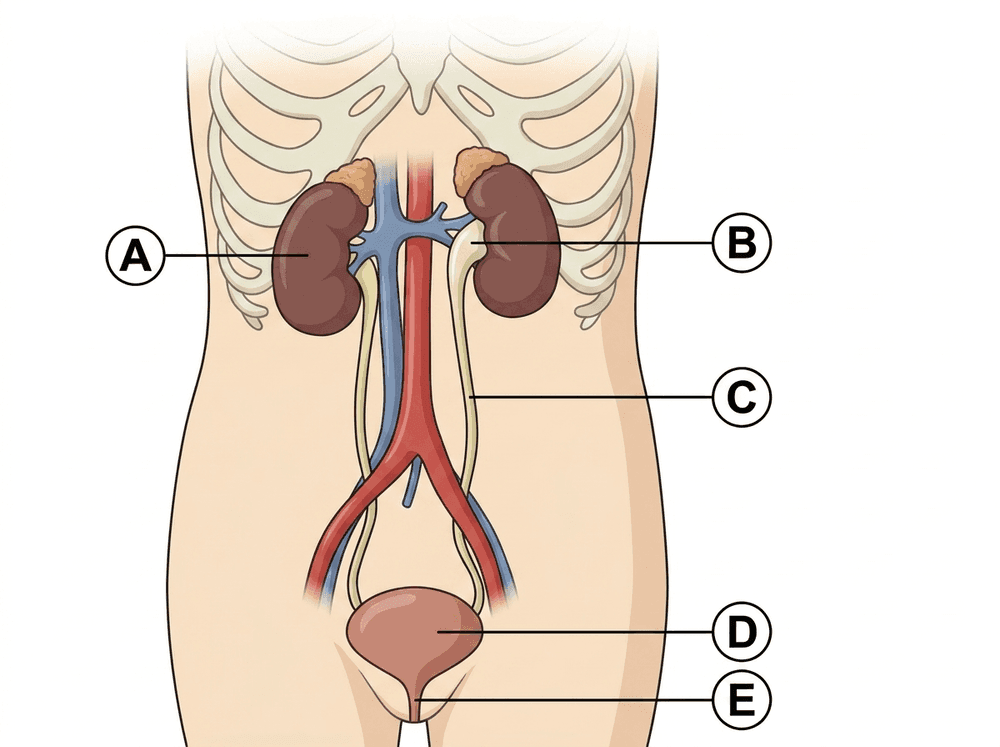
    What is the function of the structure labelled C?
    Diagram of the urinary system with the ureter labelled C
    答案选项
    查看答案

    正确答案:A

    完整解析

    Correct. C is the ureter, which conveys urine from the renal pelvis to the bladder.
  • Respiratory: Upper Airway第 3 道样题,共 3 道
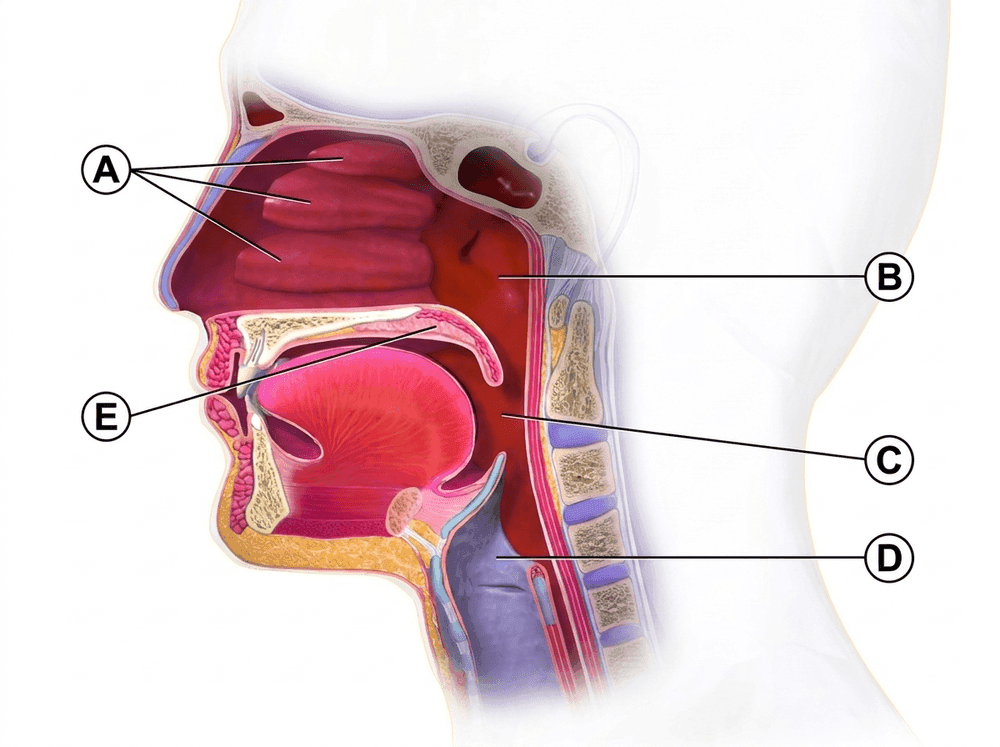
    The structure labelled B lies immediately posterior to the:
    Sagittal section of the upper airway with the nasopharynx labelled B
    答案选项
    查看答案

    正确答案:C

    完整解析

    Correct. B is the nasopharynx, sitting directly behind the nasal cavity.

已发布的选择题练习

当前列出的本科目教学练习与模拟试卷。

标题保留原文。

教学练习

  • Skin and Integumentary System

    3 份练习

    326 道选择题

    • L1: Overview of the Integumentary System98 道选择题
    • L2: Layers of the Skin and Their Cells101 道选择题
    • L3: Functions of the Skin127 道选择题
  • Cardiovascular System

    10 份练习

    816 道选择题

    • L4: Overview of the Heart86 道选择题
    • L5: Cardiac Anatomy and Histology102 道选择题
    • L6: Circulatory Anatomy: Arteries and Veins91 道选择题
    • L7: Circulatory Anatomy: Capillaries and Lymphatics65 道选择题
    • L8: The Heart as a Pump99 道选择题
    • L9: The Excitable Heart80 道选择题
    • L10: Controlling the Heart and Blood Pressure69 道选择题
    • L11: Controlling Regional Blood Flows83 道选择题
    • L12: Venous Blood Flow and the Heart64 道选择题
    • L13: Composition and General Functions of Blood77 道选择题
  • Respiratory System

    6 份练习

    366 道选择题

    • L14: Overview of the Respiratory System62 道选择题
    • L15: Structure of the Lungs and Airways65 道选择题
    • L16: Anatomy of the Respiratory System III61 道选择题
    • L17: The Work of Breathing64 道选择题
    • L18: Oxygen and Carbon Dioxide Exchange60 道选择题
    • L19: Gas Transport and Respiratory Control54 道选择题
  • Gastrointestinal System

    8 份练习

    523 道选择题

    • L20: Overview of the Gastrointestinal System62 道选择题
    • L21: The Stomach and Pancreas69 道选择题
    • L22: The Small Intestine61 道选择题
    • L23: The Large Intestine and the Liver66 道选择题
    • L24: Introduction to Gastrointestinal Physiology69 道选择题
    • L25: Chemical Digestion and the Mouth, Oesophagus and Stomach73 道选择题
    • L26: The Small Intestine, Accessory Organs, Large Intestine and Regulation62 道选择题
    • L27: Absorption in the Gastrointestinal Tract61 道选择题
  • Renal System

    6 份练习

    377 道选择题

    • L28: Overview of the Kidneys and Urinary System71 道选择题
    • L29: The Nephron68 道选择题
    • L30: Body Water, Basic Nephron Functions and Filtration59 道选择题
    • L31: Reabsorption of Nutrients, Sodium and Water in the Nephron74 道选择题
    • L32: Renal Clearance, Other Functions of the Kidney and Urine Composition42 道选择题
    • L33: The Ureters, Bladder and Urethra63 道选择题
  • Reproductive System

    5 份练习

    329 道选择题

    • L34: Overview of the Reproductive System65 道选择题
    • L35: Male Reproductive Anatomy and Spermatogenesis68 道选择题
    • L36: Female Reproductive Anatomy and Oogenesis64 道选择题
    • L37: The Menstrual Cycle71 道选择题
    • L38: Fertilisation, Implantation and Pregnancy61 道选择题

模拟试卷

  • Progress Test 1 Mocks

    5 份模拟试卷

    125 道选择题

    • PT1 Mock 125 道选择题
    • PT1 Mock 225 道选择题
    • PT1 Mock 325 道选择题
    • PT1 Mock 425 道选择题
    • PT1 Mock 525 道选择题
  • Progress Test 2 Mocks

    10 份模拟试卷

    250 道选择题

    • PT2 Mock 125 道选择题
    • PT2 Mock 225 道选择题
    • PT2 Mock 325 道选择题
    • PT2 Mock 425 道选择题
    • PT2 Mock 525 道选择题
    • PT2 Mock 625 道选择题
    • PT2 Mock 725 道选择题
    • PT2 Mock 825 道选择题
    • PT2 Mock 925 道选择题
    • PT2 Mock 1025 道选择题
  • Final MCQ Mocks

    10 份模拟试卷

    799 道选择题

    • Final MCQ Mock 0180 道选择题
    • Final MCQ Mock 0280 道选择题
    • Final MCQ Mock 0380 道选择题
    • Final MCQ Mock 0479 道选择题
    • Final MCQ Mock 0580 道选择题
    • Final MCQ Mock 0680 道选择题
    • Final MCQ Mock 0780 道选择题
    • Final MCQ Mock 0880 道选择题
    • Final MCQ Mock 0980 道选择题
    • Final MCQ Mock 1080 道选择题

此目录包含什么. 仅列出已启用产品中,可见分组内已发布且不限定特定用户的选择题。已移除题目、模块测试及书面作答题不计入。此目录不衡量整门课程的覆盖程度,也不统计知识点文章。 此目录使用缓存。开始练习前,应用会重新检查访问权限。 .

这门课覆盖哪些内容

以下是课程主题,并非已发布练习的清单。

  • 心血管系统
  • 肾脏与泌尿系统
  • 呼吸系统
  • 消化系统

HUBS192 该怎么入手

HUBS192 接着 HUBS191 往下走,进入心血管、呼吸、肾脏等系统,运作方式也一样,考的是知识缺口。走进考场时心里踏实的学生,是那些练得够多、清楚自己弱点在哪里并且早早补上的人。这门课有很多题是基于图示的,所以在真实图上多练很重要。

学分
18 分(0.15 EFTS)
开课时间
第二学期,需先修 HUBS191
上课形式
每周三节课,另有六次 3 小时实验课

HUBS192 到底该怎么学 (有科学依据)

这些都是已经确立的研究结论,不是边缘说法,近年的综述也在不断确认它们(Carpenter et al., 2022; Weinstein et al., 2018)。这里的重点放在更高阶的能力上,也就是把想法应用并迁移到没见过的题目上,而这正是拉开 HSFY 顶尖成绩的地方,也是医学选拔所看重的学习习惯。

HUBS192 接着 HUBS191 往下走,进入心血管、呼吸、肾脏等系统,运作方式也一样:分数落在知识缺口和机制上,而且很大一部分内容是基于图示的。下面的方法就是针对这种视觉化、机制密集的内容而选的。

  1. 从图里学,两个通道一起用

    HUBS192 高度依赖图示,而多媒体学习研究的结论很清楚:把图像和它的解释配在一起,同时用上视觉和语言两个通道,比只有文字更能带来理解(Mayer, 2009)。要紧的限定条件是,好处来自你自己把这个配对生成出来,而不是盯着一张已经画好的图看。

    先做图示题,每一道都先标出结构,再说出它的功能。挡住标签再回忆的图像遮挡式练习,非常适合心血管、呼吸和肾脏系统,因为它同时逼出命名和功能这两件事,而 HUBS192 的题目正是把这两件事一起奖励的。 (Mayer, 2009)

    试一下: 先做图示题:标出结构,再说出它的功能,让图像和功能锁在一起。

  2. 提取,而不是重读

    HUBS192 的细节量之大,会让重读显得很有必要,但真正建立持久回忆的是自我测试,而且在真实课堂的研究中它稳定地做到了这一点(Agarwal et al., 2021)。重读带来的熟悉感,并不能很好地预测你在考场上写得出什么。

    解决办法是把每一个系统都变成一次自我测试:盖住它的总结,从空白开始把结构和功能重建出来,再用留下的缺口决定下一次学习的方向。这样你一直在处理真正不会的部分,而不是把已经会的部分再体验一遍。 (Agarwal et al., 2021)

    试一下: 盖住某个系统的总结,从空白开始把它重建出来,再用留下的缺口决定下一次学习的方向。

  3. 把机制重建出来

    和 HUBS191 一样,更高的分数落在机制上,而不是孤立的事实,而凭记忆重建一条机制,是比重新学习它更强的学习方式(Karpicke & Blunt, 2011)。

    挑一个 HUBS192 的过程,气体交换、肾小球滤过、心动周期,一步一步讲出来,再预测其中一件事出问题会有什么影响,因为考试正是这样把一道基础回忆题升级成应用题的。如果你能解释某个压力改变时滤过为什么会变,那你是理解了这个系统,而不只是背下了它的组成部分。 (Karpicke & Blunt, 2011)

    试一下: 把一整条通路一步一步讲出来,再像考试那样预测其中一件事出问题会有什么影响。

  4. 把系统用到新情境上

    HUBS192 里能把等第往上抬的分数,来自把一个系统的运作方式用到你没见过的变化上,比如预测压力变动时滤过会怎样,而不是来自说出各部分的名字。有变化的提取练习建立的正是这种向新情境的迁移(Pan & Rickard, 2018; Carpenter et al., 2022),对未来的医学生来说,这也是能预测之后医学考试表现的那种自我测试习惯(Deng et al., 2015)。

    把每一个系统都练成“如果怎样就会怎样”的版本:给定某一个变量的变化,推演它在心血管、呼吸或肾脏系统里的下游后果。这种应用推理正是更难的情境题所奖励的,也是之后的临床学习会不断向你索取的能力。 (Pan & Rickard, 2018; Carpenter et al., 2022; Deng et al., 2015)

    试一下: 挑一个系统,预测改变其中一个变量之后的下游影响,把整条链条推完。

卡片、间隔重复与 Anki

间隔效应就是卡片有效的原因:在你快要忘记的时候重新看到一个事实,比突击更能把它锁住(Cepeda et al., 2006)。Anki 是大多数健康科学学生会用的工具,它确实好用。图示密集的系统适合做图像遮挡卡片,一面是结构,一面是功能,按周摊开来复习。 Cutline 把用来记硬事实的 Anki 式卡片,和一整套考试风格的 HUBS192 题库配在一起,让你既能刷该背下来的东西,又能练怎么把它用出来。

设置 Connect for Anki

关于 HUBS192 的常见问题

HUBS192 的题目会有图示吗?

会。示例题里就有课程所讲人体系统的真实标注图示。

HUBS192 和 HUBS191 是不同的课吗?

是的。HUBS192 是第二学期的人体系统课程,覆盖的是另一组系统。

继续阅读

以下文章保留英文原文,因为 Cutline 博客目前没有中文版本。

研究依据

上面这些学习方法来自认知心理学和教育心理学中已经确立的研究。

  1. Mayer, R. E. (2009). Multimedia learning (2nd ed.). Cambridge University Press.
  2. Agarwal, P. K., Nunes, L. D., & Blunt, J. R. (2021). Retrieval practice consistently benefits student learning: A systematic review of applied research in schools and classrooms. Educational Psychology Review, 33, 1409 to 1453.
  3. Karpicke, J. D., & Blunt, J. R. (2011). Retrieval practice produces more learning than elaborative studying with concept mapping. Science, 331(6018), 772 to 775.
  4. Pan, S. C., & Rickard, T. C. (2018). Transfer of test-enhanced learning: Meta-analytic review and synthesis. Psychological Bulletin, 144(7), 710 to 756.
  5. Carpenter, S. K., Pan, S. C., & Butler, A. C. (2022). The science of effective learning with spacing and retrieval practice. Nature Reviews Psychology, 1(9), 496 to 511.
  6. Deng, F., Gluckstein, J. A., & Larsen, D. P. (2015). Student-directed retrieval practice is a predictor of medical licensing examination performance. Perspectives on Medical Education, 4(6), 308 to 313.
  7. Cepeda, N. J., Pashler, H., Vul, E., Wixted, J. T., & Rohrer, D. (2006). Distributed practice in verbal recall tasks: A review and quantitative synthesis. Psychological Bulletin, 132(3), 354 to 380.
  8. Weinstein, Y., Madan, C. R., & Sumeracki, M. A. (2018). Teaching the science of learning. Cognitive Research: Principles and Implications, 3, 2.

用考试的方式练 HUBS192。

免费开始,无需绑卡。 每天 25 道题,由未购买的 HSFY 科目共用;每天 UTC 午夜重置。

Cutline 独立运营,与奥塔哥大学(University of Otago)无隶属关系,不受其雇佣,也未获其认可。

HUBS192 练习题 | Cutline